
Daegu is a city where entertainment patterns shift by district, hour, and crowd type. A single neighborhood can feel relaxed at sunset and electric by midnight. For residents and visitors, understanding where to go often depends on accurate, location-driven information rather than random choice. In this case, 대밤 사이트 serves as structured reference points, translating scattered nightlife chatter into organized geographic insight. By clustering venues according to districts and social zones, Daebam reflects how Daegu’s entertainment culture actually unfolds on the ground. Instead of abstract recommendations, it connects users to specific streets, blocks, and commercial corridors. This spatial organization has become increasingly significant as Daegu expands its identity as a nightlife and youth-oriented city with layered urban character.
Mapping District-Based Categorization
One of the most visible ways Daebam organizes information is through district segmentation. Rather than presenting venues in a long, unsorted list, it groups them according to recognizable areas such as Dongseongno or entertainment corridors near Kyungpook National University. This geographic breakdown mirrors how locals think about the city. People rarely say, “Let’s find any bar.” Instead, they decide on an area first, then explore options within that boundary. By structuring listings around districts, Daebam aligns with real-life decision-making habits. Such organization reduces confusion. Users can immediately compare venues within walking distance of one another, making spontaneous movement easier. The result is a smoother entertainment flow, guided by neighborhood identity rather than scattered search results.
Giving Street-Level Specificity
Beyond district names, Daebam often references precise streets or building clusters. This street-level specificity gives context that general city guides may overlook. In entertainment planning, small details matter: proximity to subway exits, nearby food stalls, or adjacency to late-night convenience stores. Daegu’s commercial streets operate like ecosystems. A popular club may thrive because it sits next to a favored barbecue restaurant. By presenting venues within these micro-locations, Daebam captures how nightlife functions collectively rather than in isolation. This spatial precision also supports newcomers unfamiliar with Daegu’s layout. Instead of vague suggestions, they receive actionable location cues. In a fast-moving nightlife environment, clarity saves time and reduces hesitation.
Categorizing by Entertainment Type Within Zones
Another organizational layer involves grouping entertainment categories within each district. Clubs, lounges, karaoke rooms, and themed bars appear under clear headings, allowing users to filter choices without abandoning their chosen area. For example, near Keimyung University, student-oriented bars may dominate listings, while central commercial districts highlight larger music venues. This contextual arrangement reflects demographic patterns. Student-heavy zones show different entertainment density compared to business districts. By maintaining this dual structure—location first, entertainment type second—Daebam offers a grid-like overview of the city’s nightlife map. Users can stay anchored to one neighborhood while refining preferences. The structure feels practical, even slightly mechanical, but that precision supports efficient planning.
Integrating Real-Time Popularity Signals
Location-based organization gains further depth through visible popularity indicators. Reviews, rankings, and comment frequency often reveal which venues are currently drawing crowds. When multiple users highlight the same district on a given weekend, it signals momentum in that zone. Daegu’s nightlife shifts depending on season, academic calendar, and local events. A neighborhood may surge in activity during festival periods, then quiet down weeks later. By attaching live feedback to specific locations, Daebam keeps its geographic map responsive. This dynamic layer transforms static listings into living clusters of attention. Instead of relying solely on advertising, popularity emerges from repeated user interaction. The platform becomes a mirror of collective preference mapped onto physical streets.
Linking Nightlife With Adjacent Amenities
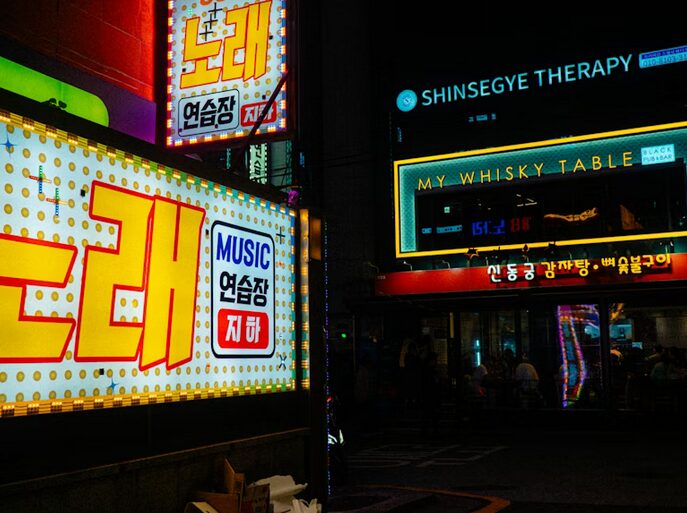
Entertainment rarely exists alone. In Daegu, nightlife blends with food culture, street vendors, and transportation hubs. Daebam often references nearby restaurants or late-night dining options alongside clubs and bars. This interconnected mapping acknowledges how evenings unfold. A group might start with dinner, continue to a music venue, and end at a street stall. By situating nightlife spots within broader neighborhood ecosystems, the platform reflects actual movement patterns. Proximity to subway stations …

 When looking for a good TV series to download, you need to make sure that you go for that thing that you love. You will not have the time to watch a TV program that you do not find interesting, and that means you will not get the chance to enjoy the many benefits associated with it. The good thing is that is a simple task because nearly everybody knows what interests them and what does not.
 Sometimes the best way to get information that will help accomplish what you want is to talk to people. People are a good source of crucial information only that most of us do not understand this. If you have friends and family members who use the tv series, then it will be good to ask them anything that you might want to know about the whole thing.…
 Learning Tool
 Proper Balance
 Improves Decision-Making Skills
 Makes Better Surgeons